If you are booking excavator training for the first time, the course names can be confusing. “180°”, “360°”, “tracked”, “wheeled”, “above 10 tonnes”, “below 10 tonnes” – which one do you actually need? Choosing the wrong category could mean your card does not cover the machine you are asked to operate on site.
This guide explains how above and below 10 tonne excavator training works, which jobs suit each category, and how to choose the right NPORS course.
Why Are Excavators Split Into Weight Categories?
A 3-tonne mini digger working in a back garden and a 25-tonne excavator digging a foundation on a major civils project behave very differently. Larger machines carry more momentum, have a bigger swing radius and create far more serious risks if something goes wrong. That is why accreditation schemes split excavator training and cards by machine size, as well as by type.
The 10-tonne mark is the main dividing line used on most construction sites and in operator card endorsements.
Below 10 Tonnes vs Above 10 Tonnes
| Below 10 tonnes | Above 10 tonnes | |
|---|---|---|
| Typical machines | Micro, mini and midi excavators | Standard and large crawler excavators |
| Common jobs | Utilities, landscaping, drainage, housing plots, tight urban sites | Bulk earthworks, civils, infrastructure, demolition, quarrying |
| Main skills | Precision digging, working near services, confined spaces | Bulk digging, loading trucks, slope work, large swing radius control |
| Who usually needs it | Groundworkers, utility teams, landscapers, small builders | Plant operators on larger civils and infrastructure projects |
180° vs 360° Excavators
Weight is only part of the picture. You also need to know whether you will operate a 180° or 360° machine:
- 180° excavators – usually backhoe loaders, where the digging arm is at the back and the operator turns in the seat.
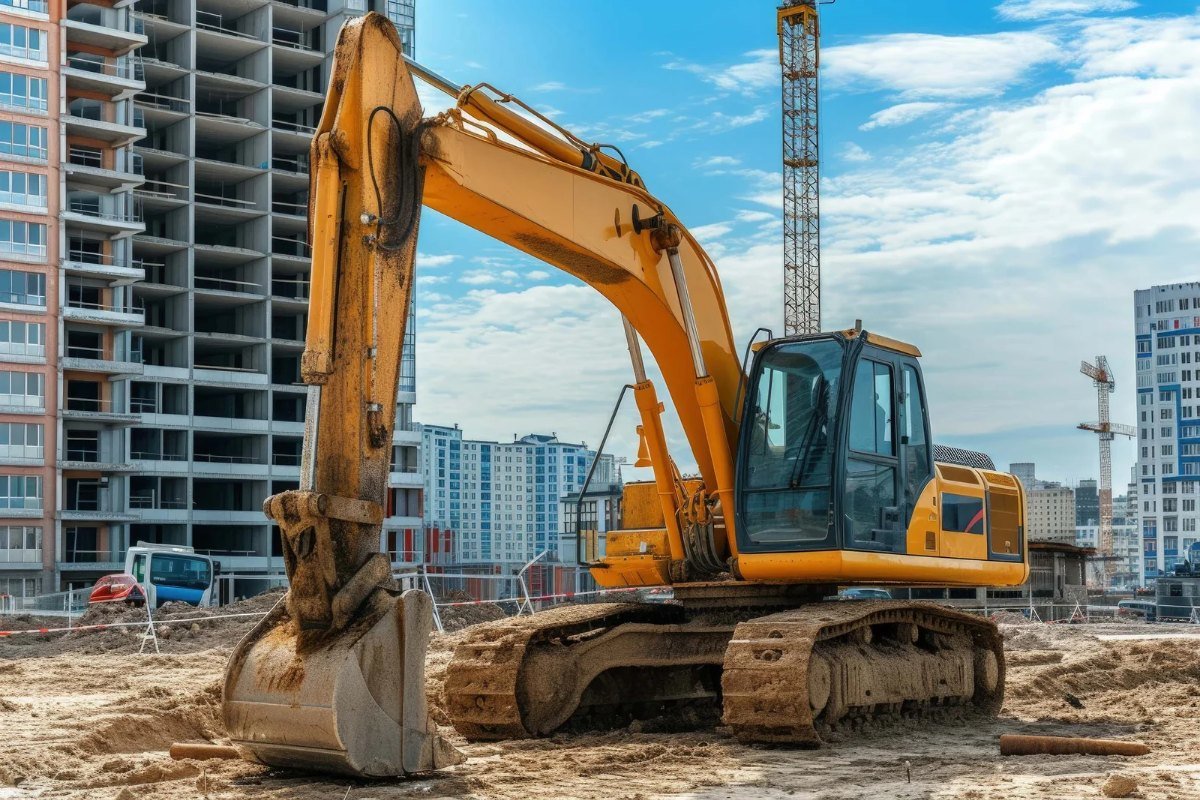
- 360° excavators – the whole upper structure rotates fully on the tracks or wheels. These are the most common machines on UK sites.
Our NPORS excavator training (180° and 360°, tracked and wheeled) covers both 10 tonnes and below and 10 tonnes and above.
Tracked vs Wheeled
Tracked excavators are the norm on construction sites because they are stable on soft or uneven ground. Wheeled excavators are faster to move between locations and are often used on roads and in highways or utility work. Make sure your training reflects the machine you will actually use, or ask about a conversion course to add the other type.
Which Excavator Category Should You Choose?
Choose below 10 tonnes if:
- You work in groundworks, drainage, utilities or landscaping.
- Your jobs are mostly on housing plots or tight urban sites.
- You are new to plant and want to build skills on smaller machines first.
Choose above 10 tonnes if:
- You are working, or want to work, on civils, infrastructure or major earthworks projects.
- Your employer runs larger 13–30 tonne machines.
- You want to move into higher-paid plant operator roles.
Many operators train on both categories during the same course, which gives them the widest choice of work. If you are unsure, tell us what machines your employer uses and we will recommend the right option.
What Does NPORS Excavator Training Cover?
- Pre-use checks, walk-arounds and machine inspections
- Controls, hydraulics and safe machine operation
- Digging, trenching, grading and levelling
- Using buckets, quick hitches and attachments safely
- Working on slopes, uneven ground and in confined spaces
- Blind spots, swing radius and site visibility
- Working safely near underground services
- Safe shutdown, parking and emergency procedures
Assessment includes an NPORS theory test and an on-machine practical test. Lifting operations with an excavator are a specialist activity, so check with us if your role involves lifting duties.
How Long Is Excavator Training?
| Course level | Typical duration |
|---|---|
| Beginner | 5–10 days (depending on experience and group size) |
| Experienced operator | 2–3 days |
| Refresher | 1 day |
| Conversion (e.g. tracked to wheeled, 180° to 360°) | 1 day |
Which NPORS Card Will You Receive?
After passing, you will receive an NPORS Trained Operator card, available with the CSCS logo or as a traditional NPORS card. The red Trained Operator card is your starting point, and completing the relevant NVQ lets you upgrade to the blue Competent Operator card. Find out more about the scheme on our What is NPORS? page, or compare schemes in our guide to NPORS vs CPCS.
Add More Plant Qualifications
Excavator operators often add other plant to their card to become more employable. Popular options include telehandler training and, for those who also work in yards or warehouses, a counterbalance forklift course. If you are weighing up accreditation for lift trucks, see RTITB vs NPORS.
Why Choose Result for Excavator Training?
- NPORS and RTITB-accredited training
- Courses for beginners, experienced operators, refreshers and conversions
- Tracked and wheeled excavators, above and below 10 tonnes
- Onsite training nationwide, at dates and times to suit you
- Competitive prices with a price match guarantee
FAQs: Above and Below 10T Excavator Training
Does a below 10 tonne card cover larger excavators?
No. If your card only covers machines below 10 tonnes, you should not operate excavators above 10 tonnes until you are trained and assessed on them.
Can I train on above and below 10 tonnes at the same time?
Yes. Many operators complete both categories together, which is often more cost-effective than booking separately.
Is a mini digger the same as a below 10 tonne excavator?
Mini diggers fall within the below 10 tonne category, along with micro and midi excavators.
Do you offer onsite excavator training?
Yes. We deliver NPORS excavator training onsite across the UK. Contact us to arrange a date.
Book Your Excavator Training
Not sure whether you need above or below 10 tonne excavator training? Call 01733 665 662 or send us a message and our team will help you choose the right NPORS course for your role. You can also browse all our training courses.