If you’re thinking about getting into warehousing or logistics, one of the most common questions we get asked here at Result Forklift Training is, “Should I start with a reach truck or a counterbalance forklift course?”
It’s a great question, and the right answer can save you time and money and set you up for better job prospects from day one. Let’s break it down.
What’s the Difference Between the Two?
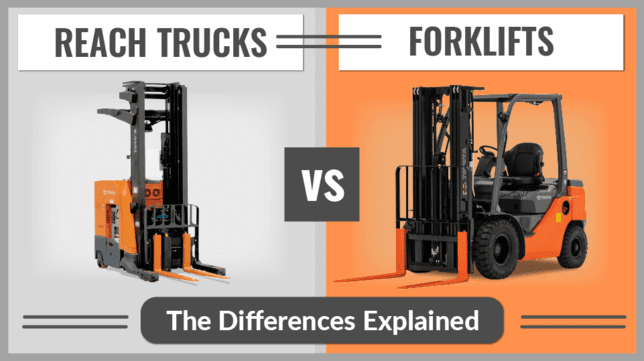
Counterbalance forklifts are the most widely recognised type of forklift. They have forks at the front and a heavy counterweight at the rear to balance loads. You’ll find them in warehouses, loading bays, retail distribution centres, and construction sites across the UK. They come in electric, diesel, and LPG versions.
Reach trucks are designed specifically for indoor warehouse use. They have extending forks that “reach” into racking systems, allowing operators to stack pallets at great heights – often 10 to 12 metres. They’re a staple in high-bay storage environments and are used by major employers like Amazon, DHL, and supermarket distribution centres.
Why Most People Start with a Counterbalance
At Result, we generally recommend that beginners start with the counterbalance forklift course – and here’s why:
It’s the most transferable licence. A counterbalance licence opens doors across a much wider range of workplaces. Whether it’s a building site, a small warehouse, or a large distribution centre, counterbalance operators are in demand everywhere.
It’s considered the foundation. The skills you develop – load awareness, mast control, spatial judgement, pre-use checks – form the core of forklift operation. These fundamentals carry over when you later train on a reach truck.
It’s often what employers want first. When employers post entry-level warehouse jobs, counterbalance is the most commonly listed licence requirement.
When Does It Make Sense to Start with a Reach Truck?
There are situations where going straight to a reach truck course makes perfect sense:
- You already have a job offer or interview lined up that requires reach truck operation specifically
- You’ve previously operated forklifts and need to add reach to your existing skill set
- The employer you want to work for operates a high-bay warehouse and only uses reach trucks
If any of the above applies to you, our Reach Truck Training Course can get you certified quickly – even as a novice operator.
Why Not Do Both?
Here’s a tip many of our students take advantage of: Result offers package deals that combine multiple courses at a reduced cost. Completing both your counterbalance and reach truck training together not only saves you money – it makes you significantly more employable. Dual-licensed operators are far more attractive to employers, especially in large warehouse environments where both truck types are in use.
Our Verdict
If you’re starting from zero with no specific job in mind, start with the counterbalance forklift course. It’s the most versatile, most in-demand, and gives you the strongest foundation for any future forklift training.
If you have a specific role in mind that requires a reach truck, go straight for it – or better still, do both together and give yourself a real edge in the job market.
Ready to Get Certified?
At Result Forklift Training, we’re RTITB accredited, open 7 days a week, and offer a 98% pass rate across our courses. We train operators across Peterborough, Cambridge, Leicester, Northampton, and nationwide.
Call us at 01733 665 662 or book your course online today.