If you work in a warehouse, distribution centre, or logistics environment, forklift certification is one of the most valuable credentials you can have. Whether you’re just starting out or looking to advance your career, getting certified opens doors that would otherwise remain closed — and for good reason.
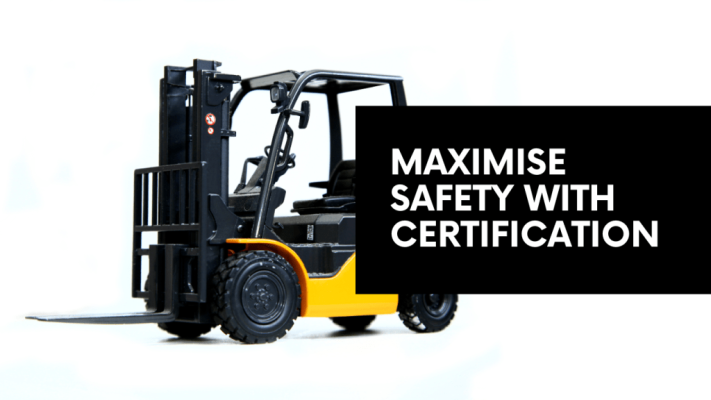
What Is Forklift Certification?
Forklift certification is a formal training and licensing process that qualifies individuals to safely operate powered industrial trucks (forklifts). It typically involves classroom instruction, hands-on training, and a practical evaluation. In most countries, including the US (OSHA), UK (RTITB/ITSSAR), and Canada, certification is legally required before operating a forklift in a workplace.
Top Benefits of Forklift Certification
1. Better Job Opportunities
Certified forklift operators are in high demand across warehousing, logistics, manufacturing, retail, and construction industries. Most employers will not hire uncertified operators due to legal and safety requirements. Having certification on your resume immediately makes you a more attractive candidate.
2. Higher Earning Potential
Certified operators consistently earn more than their uncertified counterparts. With certification, you can negotiate better pay, take on more senior roles, and qualify for overtime shifts that require certified personnel only.
3. Workplace Safety
Forklift accidents are one of the leading causes of workplace injuries and fatalities in warehouse environments. Certified operators are trained to identify hazards, follow safe operating procedures, and handle loads correctly — significantly reducing the risk of accidents for themselves and their colleagues.
4. Legal Compliance
In most countries, operating a forklift without proper certification is illegal and can result in heavy fines for both the operator and the employer. Being certified ensures you and your employer stay compliant with occupational health and safety regulations.
5. Career Advancement
Certification is often the first step toward supervisory and management roles in warehouse and logistics operations. Many companies prefer to promote certified operators into team leader, warehouse supervisor, or logistics coordinator positions.
6. Increased Confidence and Competence
Training builds practical skills and a deeper understanding of the equipment. Certified operators are more efficient, make fewer errors, and handle challenging situations with greater confidence — all of which are valued by employers.
7. Transferable Across Industries
Forklift certification is not limited to one industry. Once certified, you can work in retail warehouses, cold storage facilities, construction sites, ports, airports, and manufacturing plants—giving you tremendous flexibility in your career.
8. Employer Trust and Reduced Liability
Employers are more likely to trust certified operators with expensive equipment and high-value goods. It also reduces their liability exposure in the event of an incident, which is why many companies make certification a mandatory requirement.
How to Get Forklift Certified
Getting certified is a straightforward process:
- Enrol in a certified training programme — Look for accredited providers in your area
- Complete classroom/theory training — Covering safety rules, load handling, and regulations
- Complete practical/hands-on training — Supervised operation of the forklift
- Pass the evaluation — A practical test assessed by a qualified instructor
- Receive your certificate — Valid for a period (usually 3–5 years) before renewal is required
Final Thoughts
Forklift certification is more than just a piece of paper — it’s an investment in your career, your safety, and your professional value. In a competitive job market, it sets you apart and signals to employers that you are serious, skilled, and ready to work.
Whether you’re a new entrant to the warehouse and logistics industry or a seasoned professional looking to formalise your skills, getting certified is one of the smartest moves you can make.