Why Forklift Training is Essential for Warehouse Operatives in 2026
The warehouse and logistics sector in the UK continues to grow at a rapid pace. With increasing demand for faster fulfillment, higher stock volumes, and more complex operations, the pressure on warehouse operatives has never been greater. In this environment, forklift training is not simply a box-ticking exercise; it is a fundamental requirement for maintaining a safe, efficient, and legally compliant workplace.
The Legal Requirement You Cannot Ignore
In the UK, the Health and Safety at Work Act 1974 and the Provision and Use of Work Equipment Regulations 1998 (PUWER) place a clear duty on employers to ensure that anyone operating lift trucks is properly trained and competent. The Health and Safety Executive (HSE) recommends that all forklift operators complete accredited training through an approved organization.
Failure to comply can result in significant fines, prosecution, and in the worst cases, closure of operations. For warehouse managers and business owners, the question is not whether to invest in forklift training, it is how quickly they can get it in place.
The Safety Case is Clear
Forklifts are one of the most hazardous pieces of equipment found in any warehouse environment. According to the HSE, lift trucks are involved in around 25% of all workplace transport accidents in the UK. These incidents can result in serious injuries, fatalities, and extensive damage to stock and infrastructure.
Proper forklift training equips operatives with the knowledge and skills to handle equipment safely, assess risks in real time, and respond appropriately to unexpected situations. A trained operative understands load management, safe travel speeds, pedestrian awareness, and how to conduct pre-use checks, all of which significantly reduce the likelihood of an accident occurring.
Operational Efficiency Depends on Competence
Beyond safety, forklift training has a direct impact on productivity. An operative who has been properly trained will handle stock more efficiently, reduce the risk of damaged goods, and complete tasks in less time. Poor technique, on the other hand, leads to product losses, equipment damage, and workflow disruptions that cost businesses both time and money.
In 2026, with many warehouses operating automated systems alongside traditional forklifts, the need for well-trained operatives who can work confidently within these environments is more important than ever. Training ensures your team can keep pace with the demands of a modern warehouse without compromising on safety or output.
Protecting Your Business Reputation
Workplace accidents do not only carry financial consequences, they carry reputational ones too. A serious incident on site can damage relationships with clients, deter skilled workers from joining your team, and attract unwanted scrutiny from regulators.
Investing in certified forklift training demonstrates to clients, partners, and prospective employees that your business takes health and safety seriously. It signals professionalism, accountability, and a genuine commitment to the wellbeing of your workforce.
Choosing the Right Training Provider
Not all forklift training is equal. When selecting a provider, look for accreditation from recognised bodies such as the RTITB, ITSSAR, or AITT. These organisations set the standards for forklift training in the UK and ensure that courses are delivered consistently and to a high level.
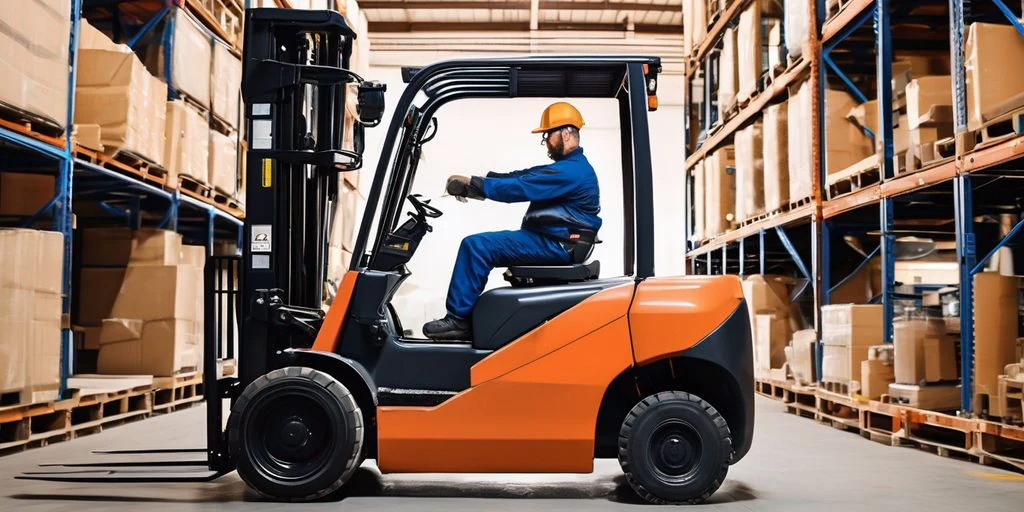
Training should always be tailored to the specific type of equipment your operatives will use, whether that is a counterbalance truck, reach truck, or order picker, as each requires a distinct set of skills and competencies.
Final Thought
In 2026, forklift training is not optional for warehouse operatives; it is essential. It protects your people, safeguards your business, and ensures your operations run smoothly in an increasingly demanding industry. The cost of training is minimal when compared to the cost of an accident, a fine, or a reputational setback that could have been avoided entirely.