Forklift training certification is essential for anyone working with lifting equipment in construction, warehousing, logistics, or industrial environments. In the UK, two of the most recognised certifications are NPORS and CPCS. Both prove that an operator is trained and competent to safely use machinery, but they serve slightly different purposes and industries.
If you are planning to start a career as a forklift operator or looking to upgrade your qualifications in 2026, understanding the difference between NPORS and CPCS can help you choose the right certification.
What Is NPORS Forklift Certification?
NPORS stands for National Plant Operators Registration Scheme. It is one of the UK’s leading accreditation bodies for plant machinery training and testing. NPORS certification is widely accepted across many industries including construction, logistics, agriculture, and warehousing.
NPORS training focuses on practical skills, safe equipment operation, and workplace safety standards. One of the biggest advantages of NPORS is its flexibility. Many employers accept NPORS certification for operating forklifts and other machinery across a wide range of work environments.
Key benefits of NPORS certification
• Widely accepted across multiple industries
• Often faster to complete than other certifications
• More flexible training options
• Suitable for warehouse and industrial forklift operators
• Lower training costs in many cases
NPORS is an excellent option for individuals working outside strict construction site environments or those who want a recognised forklift qualification quickly.
What Is CPCS Forklift Certification?
CPCS stands for Construction Plant Competence Scheme. It is considered the gold standard certification for plant machinery operators working on major construction sites in the UK.
CPCS certification is often required on construction projects where workers must hold a valid CPCS card to operate machinery. The scheme ensures operators meet high safety standards and have the required knowledge to operate equipment in complex construction environments.
Key benefits of CPCS certification
• Highly recognised across the construction industry
• Required on many large construction projects
• Demonstrates advanced operator competence
• Strong career progression opportunities
• Higher credibility for construction roles
While CPCS certification can take longer to obtain and may involve additional assessments, it is often the preferred option for individuals working in construction.
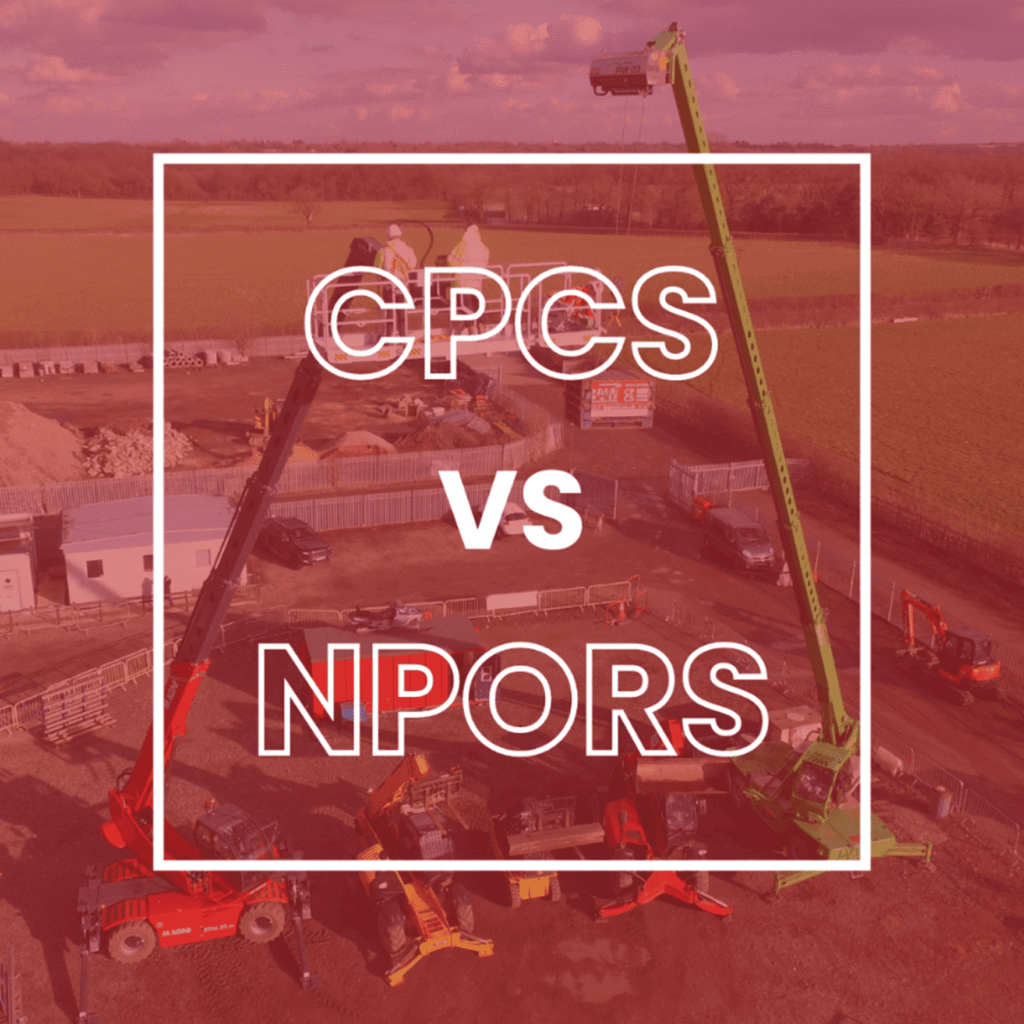
NPORS vs CPCS: Key Differences
Understanding the differences between these certifications helps determine which one suits your career goals.
| Feature | NPORS | CPCS |
|---|---|---|
| Industry Use | Warehousing, logistics, agriculture, construction | Primarily construction |
| Flexibility | Highly flexible | More structured |
| Recognition | Widely accepted by employers | Mandatory on many construction sites |
| Training Time | Often shorter | Usually longer |
| Cost | Generally lower | Usually higher |
| Career Path | Warehouse and plant operators | Construction plant operators |
Both certifications prove that an operator has the skills and safety awareness needed to operate forklifts effectively.
Which Certification Is Best for Forklift Operators in 2026?
The right certification largely depends on where you plan to work.
If you want to work in warehouses, distribution centres, manufacturing facilities, or logistics companies, NPORS forklift certification is often sufficient and widely accepted.
However, if your goal is to work on construction sites or major infrastructure projects, CPCS certification is usually the preferred or required qualification.
Many training providers now offer NPORS courses that can also include a CSCS logo on the card, which helps operators meet site requirements for construction work.
Career Opportunities With Forklift Training
Holding a recognised forklift certification opens the door to many job opportunities across the UK. Industries that regularly hire trained operators include:
• Warehousing and logistics
• Construction sites
• Manufacturing plants
• Distribution centres
• Port and shipping operations
Qualified forklift operators remain in high demand, especially as logistics and construction sectors continue to grow.
How to Choose the Right Forklift Training Provider
When selecting a training provider, consider the following factors:
• Accreditation and certification standards
• Experienced instructors
• Modern training equipment
• Practical hands on training
• Job focused training programs
A reputable training provider will ensure you gain both the practical skills and safety knowledge required to operate forklifts confidently.
Final Thoughts
Both NPORS and CPCS forklift certifications provide valuable qualifications for machinery operators. The best option depends on your career goals, industry, and workplace requirements.
For warehouse and logistics roles, NPORS certification is often the most practical and flexible choice. For construction environments, CPCS certification remains the preferred standard.
By choosing the right training certification in 2026, you can improve your job prospects, increase workplace safety, and build a successful career as a certified forklift operator.