Whether you’re just starting out in warehousing and logistics or looking to advance in your career, forklift certification is one of the most valuable credentials you can hold. But with so many training options available, how do you know which course is right for you?
Forklift operators are in high demand across industries, from construction and manufacturing to retail distribution and shipping. The right training course won’t just keep you safe on the job; it can open doors to better-paying roles and long-term career growth.
Here’s everything you need to know before enrolling.
1. Understand the Types of Forklifts
Not all forklifts are the same, and neither are the training courses. Before choosing a program, identify which type of forklift you’ll be operating:
Counterbalance Forklifts — The most common type, used in warehouses and loading docks. A great starting point for beginners.
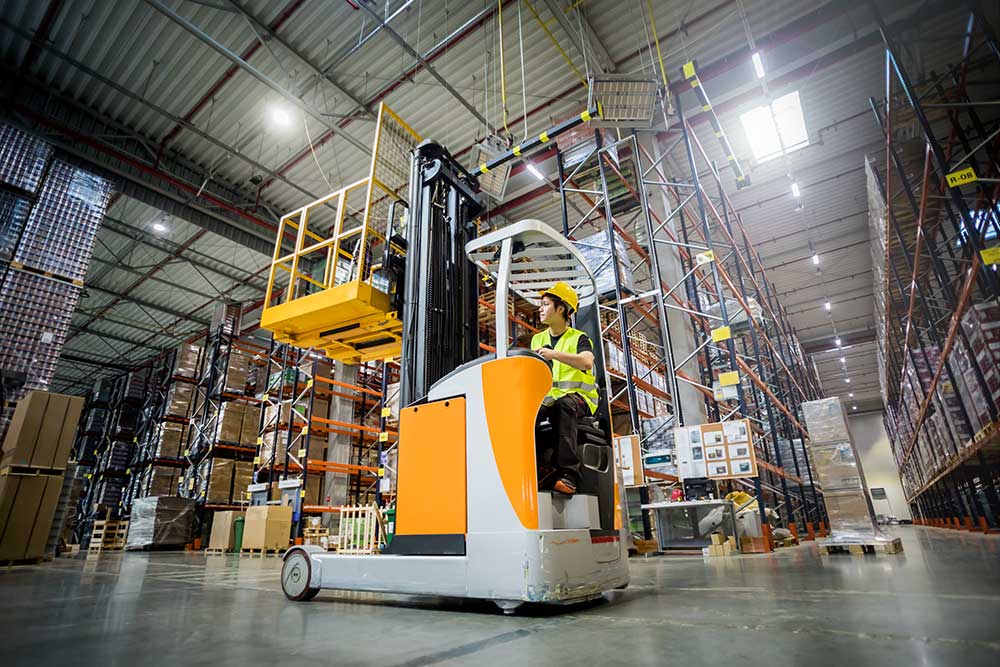
Reach Trucks — Used in narrow aisles and high-racking environments. Requires more advanced spatial awareness training.
Rough Terrain Forklifts — Used on construction sites and outdoor environments. Training focuses on stability and load management on uneven surfaces.
Pallet Jacks & Order Pickers — Lighter equipment often used in retail logistics. Shorter courses available, ideal for entry-level roles.
Choose a training course that specialises in the exact forklift type used by your target employer. Multi-category courses are also available if you want broader certification.
2. Check for Accreditation
This is non-negotiable. Your forklift certificate is only as valuable as the body that issued it. Always verify that your training provider is officially recognised by a relevant authority in your country or region.
In the UAE and GCC, look for courses approved by OSHAD (Abu Dhabi Occupational Safety and Health), Dubai Municipality safety standards, or internationally recognised bodies like NEBOSH and OSHA.
An unaccredited course may seem cheaper upfront but could leave you unable to meet employer requirements — wasting your time and money.
3. Look at What the Course Covers
A quality forklift training program should cover both theory and practical skills. A comprehensive course should include pre-operation inspection, load handling and stability, safe operating procedures, workplace hazard awareness, refuelling and battery charging, emergency procedures, traffic management rules, and a hands-on practical test.
Avoid courses that are purely online with no practical component — operating heavy machinery requires real hands-on practice and assessment.
4. Consider Course Duration & Flexibility
Forklift courses typically range from 1 to 5 days depending on your experience level and the type of equipment. If you’re currently employed, look for weekend or evening courses. If you’re job-seeking, a full-time intensive course will get you certified faster and into the workforce sooner.
Beginners typically need 3–5 days. Experienced operators refreshing their certification may only need 1–2 days. Always ask the provider about your options before enrolling.
5. Evaluate the Training Provider
The quality of your instruction matters enormously. Before signing up, ask these questions:
- How experienced are the instructors? Look for trainers with real industry backgrounds, not just classroom experience.
- What is the student-to-instructor ratio? Smaller groups mean more hands-on time and personalised feedback.
- What equipment do they train on? Ideally, the training forklifts should be similar to those used in your target industry.
- Do they have reviews or testimonials? Check Google, LinkedIn, or industry forums for real feedback from past students.
6. Factor in Cost vs. Value
Forklift training in Dubai and the UAE typically ranges from AED 500 to AED 2,500 depending on the course type, duration, and provider. Don’t automatically go for the cheapest option.
Consider what’s included — does the fee cover the certification exam, practical assessments, and the certificate itself? Some providers charge extra for these. A slightly more expensive course from a reputable provider is almost always worth it in the long run.
7. Think About Your Long-Term Career Goals
Your training choice should align with where you want to be in 2–5 years. If you’re aiming for a supervisory or safety officer role, look for providers that offer advanced modules or pathways to health and safety qualifications alongside the forklift certification.
Some training centers also offer combo packages — for example, pairing forklift certification with a basic OSHA safety course — which can make you a significantly more attractive candidate to employers.
Final Thoughts
Choosing the right forklift training course is an investment in your career. Focus on accreditation, practical training, qualified instructors, and alignment with your career goals. The time and money you spend choosing the right program today can make a significant difference in your employability and earning potential for years to come.