Forklifts are among the most powerful and potentially dangerous pieces of equipment in any warehouse, construction site, or logistics operation. While initial certification is a legal and operational necessity, many employers and operators overlook one of the most critical aspects of forklift safety: refresher training.
This blog covers everything you need to know about forklift training refresher courses, when they’re required, what triggers them, and why staying up-to-date could be the difference between a safe workplace and a devastating accident.
What Is a Forklift Refresher Course?
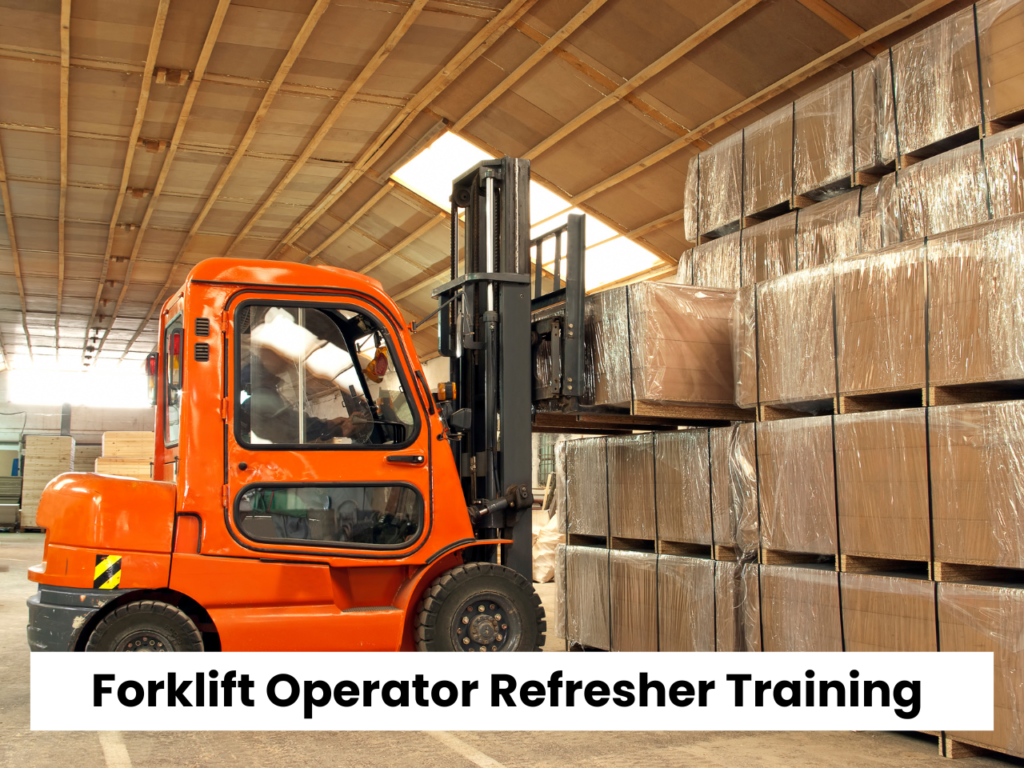
A forklift refresher course is a targeted retraining program designed to update an operator’s skills, knowledge, and safety awareness. Unlike an initial certification course, a refresher is shorter and more focused, typically covering areas where performance gaps have been identified or where regulations, equipment, or workplace conditions have changed.
Refresher training can be delivered in person, on-site, or through a combination of theory and practical assessment. The goal is not to start from scratch, it’s to close gaps and reinforce safe habits.
When Is a Forklift Refresher Course Required?
According to the Health and Safety Executive (HSE) and industry guidance such as ACOP L117, employers must ensure operators receive refresher training whenever there is reason to believe they are no longer operating safely or competently. Key trigger situations include:
- After an accident or near miss: If an operator has been involved in a collision, tip-over, or near-miss incident, refresher training should be carried out before they return to operating duties. This is both a regulatory expectation and a practical safety measure.
- If a supervisor, safety officer, or trainer observes an operator engaging in unsafe operations, disregarding safety procedures, or demonstrating poor technique, they must retrain them immediately, without exception.
- Introduction of new equipment: When a company upgrades its fleet or introduces a different type of forklift (e.g., switching from a counterbalance truck to a reach truck), operators must receive training specific to the new machine.
- Change in working environment: Moving to a new site, racking configuration, or operating in different conditions (e.g., outdoor terrain, cold storage, narrow aisles) requires updated training to address the specific hazards involved.
- Return after extended absence: An operator who has been off work for a significant period, whether due to illness, maternity leave, or a career break, should undergo refresher training before resuming forklift duties.
- Regulatory or procedural changes: If health and safety regulations, internal site rules, or industry standards have been updated, operators need to be trained on the new requirements.
- Periodic retraining: Even without a specific trigger, many organizations carry out refresher training every 3 to 5 years as best practice to ensure skills don’t deteriorate over time.
Why Forklift Refresher Training Matters
The importance of refresher training goes far beyond ticking a compliance box. Here’s why it genuinely matters:
1. It Saves Lives
Forklift accidents cause hundreds of serious injuries and fatalities every year across the UK and globally. The HSE reports that lift truck accidents account for around 25% of all workplace transport accidents. Regular refresher training keeps operators alert, skilled, and safety-conscious, directly reducing the likelihood of deadly incidents.
2. It’s a Legal Responsibility
Employers are legally obligated under the Health and Safety at Work Act 1974 and the Provision and Use of Work Equipment Regulations 1998 (PUWER) to ensure that anyone operating work equipment, including forklifts, is properly trained and competent. Failure to provide adequate refresher training can result in enforcement action, fines, and even prosecution.
3. Bad Habits Form Over Time
Even experienced operators can fall into unsafe habits, speeding, taking shortcuts, improper load handling, or failing to conduct pre-use checks. Refresher courses act as a reset, reinforcing best practices and highlighting where operators have drifted from safe procedures without necessarily realising it.
4. It Protects Your Business
Accidents are costly, not just in human terms, but financially. Property damage, legal liability, insurance claims, operational downtime, and reputational damage can all result from a preventable forklift incident. Investing in refresher training is far cheaper than dealing with the aftermath of an accident.
5. It Boosts Operator Confidence and Performance
Refresher training isn’t just about correcting problems; it also builds confidence. Regular assessment and support often lead to increased productivity, safety awareness, and job satisfaction among operators. A well-trained workforce benefits the entire organisation.
What Does a Refresher Course Cover?
The content of a refresher course will vary depending on the trigger and the operator’s specific needs, but typically includes:
- Review of relevant health and safety legislation
- Pre-use inspection procedures
- Safe load handling techniques
- Pedestrian awareness and site-specific hazards
- Refuelling, recharging, and maintenance responsibilities
- Practical assessment of operating skills
- Updated training on new equipment or environments (if applicable)
How to Choose the Right Refresher Training Provider
When selecting a provider for forklift refresher training, look for:
- Accreditation: Choose a provider accredited by a recognised body such as RTITB, ITSSAR, AITT, or NPORS.
- On-site training options: The best refresher training takes place in your actual working environment, so skills are assessed in real-world conditions.
- Tailored programmes: Avoid one-size-fits-all courses. A good provider will tailor training to the specific needs of your operators and your site.
- Experienced instructors: Instructors should have hands-on industry experience, not just theoretical knowledge.
- Certification upon completion: Operators should receive a recognised certificate of competency upon completing refresher training.
Final Thoughts
Forklift refresher training is not a bureaucratic formality, it’s a genuine investment in the safety, compliance, and efficiency of your workplace. Whether it’s prompted by an incident, a new machine, or simply the passage of time, regular retraining ensures your operators remain competent, confident, and compliant.
Don’t wait for an accident to make refresher training a priority. Proactive training saves lives, protects businesses, and builds a culture of safety that benefits everyone on site.